
Our Story: from seed to plate
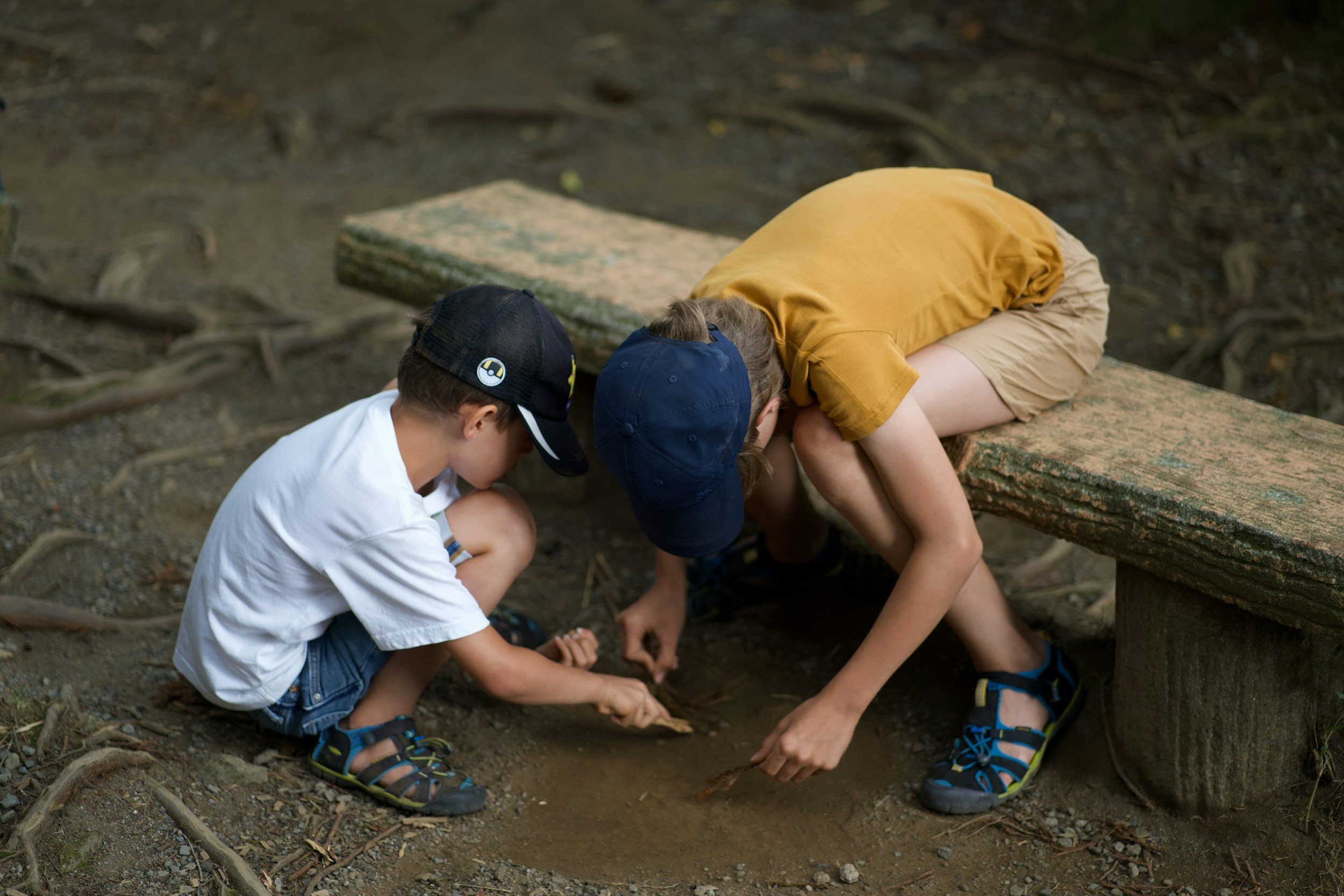
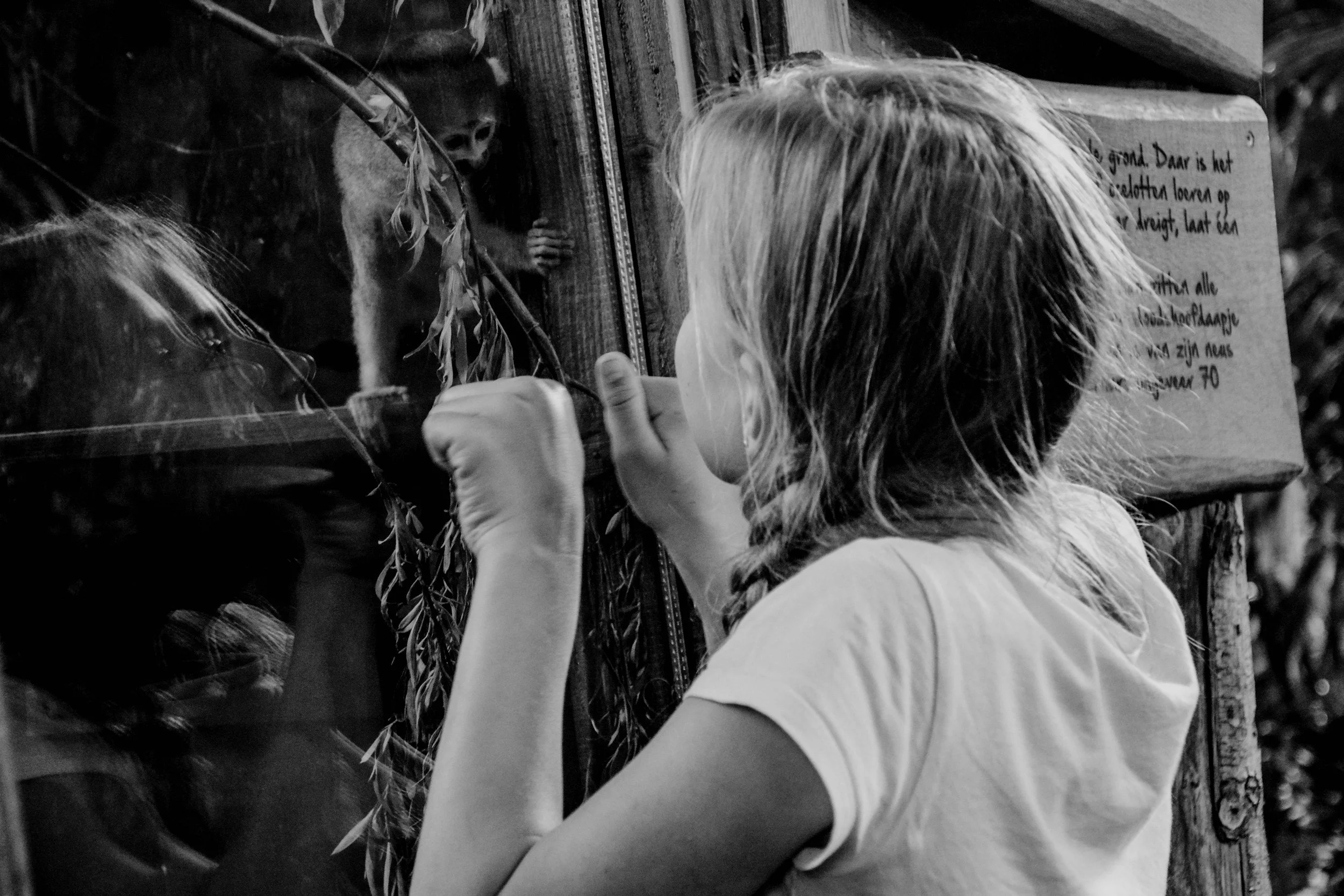
Children are naturally curious about the world around them. Dig In Collective exists to ensure they never lose that connection—to nature, to food, or to themselves.
I once asked a student what the best part of his weekend was.
Without hesitation, he replied, “My Dad took me to McDonald’s.”
The answer stuck with me.
Growing up in the 90s and early 2000s, I was your typical millennial kid. My diet revolved around pizza bagels, pasta, bread and butter, Capri Suns, Doritos (Cool Ranch only), and whatever variety of snack packs my brother and I convinced our mom to buy that week. Fruits and vegetables were largely absent, unless Mott's applesauce counted.
At the time, ultra-processed foods were rapidly becoming the norm. Children's television was saturated with advertisements for Kool-Aid, Eggo waffles, Trix Yogurt, Go-Gurt, Goldfish, and Cookie Crisp cereal. Most families—including mine—simply didn't know any better. Convenience had become synonymous with nourishment.
Yet despite all of that, my childhood included something many children today are losing: time outside.
We played in the dirt. We climbed trees. We rode bikes until the streetlights came on. We learned about the world through experience.
Years later, while living and working throughout Latin America, I witnessed a very different relationship with food and nature.
In Costa Rica, children roamed school grounds with curiosity and pride. They knew the plants growing around them. They raced to touch the dormilonas—a sensitive flowering plant whose leaves fold inward when touched—then waited excitedly for them to open again. They climbed trees to gather Mamón Chinos for their families and insisted on finding me the best one before I could stop them from "stealing" fruit from the summer camp property.
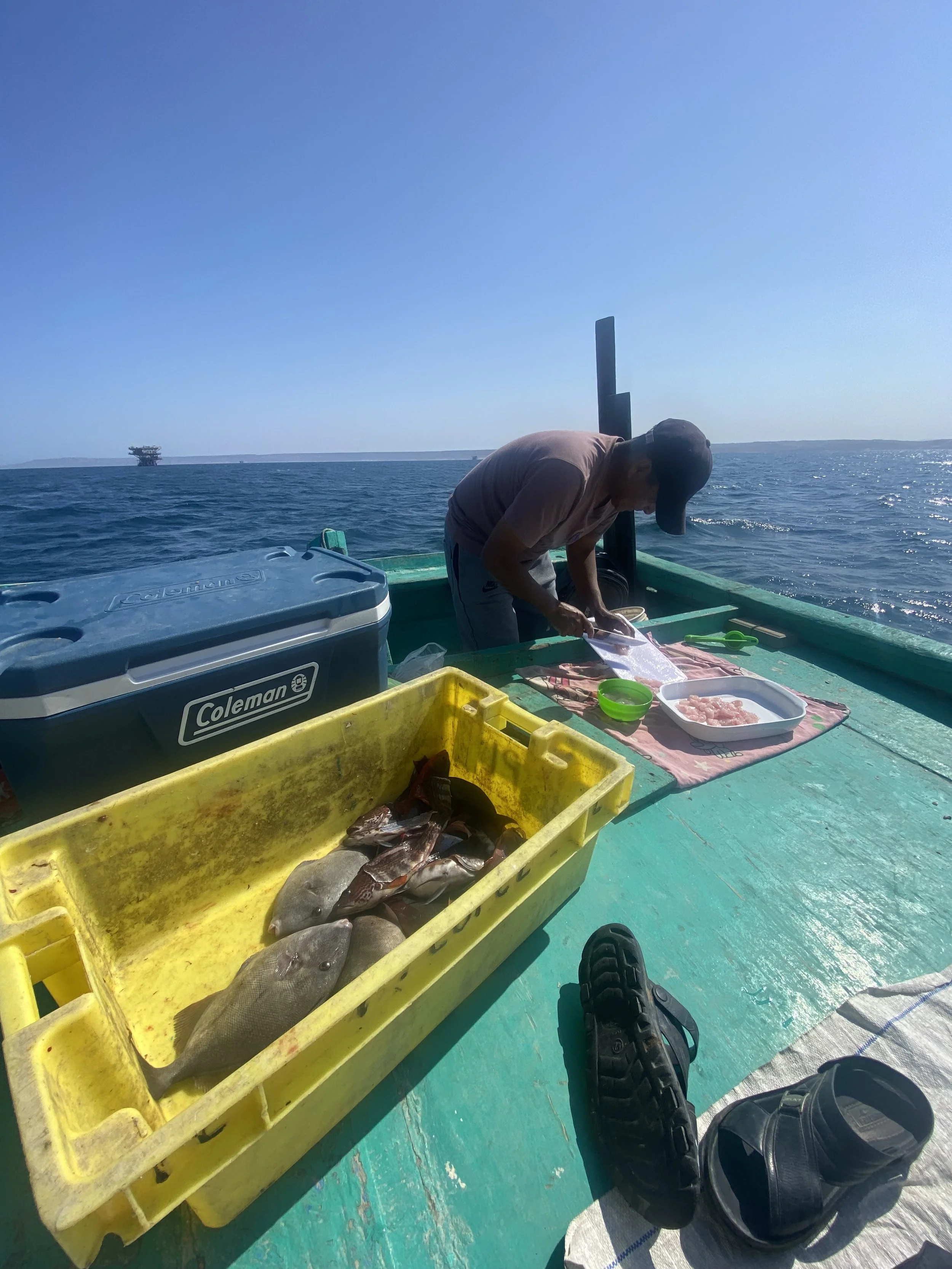
In Peru, freshly caught fish arrived at doorsteps and were filleted before dinner. Families gathered ingredients from local markets, butchers, and fishermen. Meals were simple, fresh, and shared. Food wasn't something that came from a package. It was woven into daily life and connected people to one another.
Witnessing these experiences made me ask difficult questions.
When did children become disconnected from the outdoors?
When did food become something we consume rather than something we understand?
And perhaps most importantly, how did we become so disconnected from the systems that nourish us?
One experience in particular stayed with me. At a school in Costa Rica, I helped build a greenhouse that served two purposes: teaching students how to grow food and helping feed the community. The students weren't passive observers—they were active participants.
Years later, I found myself back in the United States watching another school build a greenhouse. This one sat inside a paved courtyard with only a fraction of its space dedicated to plants. The students watched from the sidelines while adults did most of the work. Yet every child I met wanted to participate. They wanted to dig. They wanted to touch. They wanted to smell the herbs, feel the soil, and experience the wonder of growing something themselves.
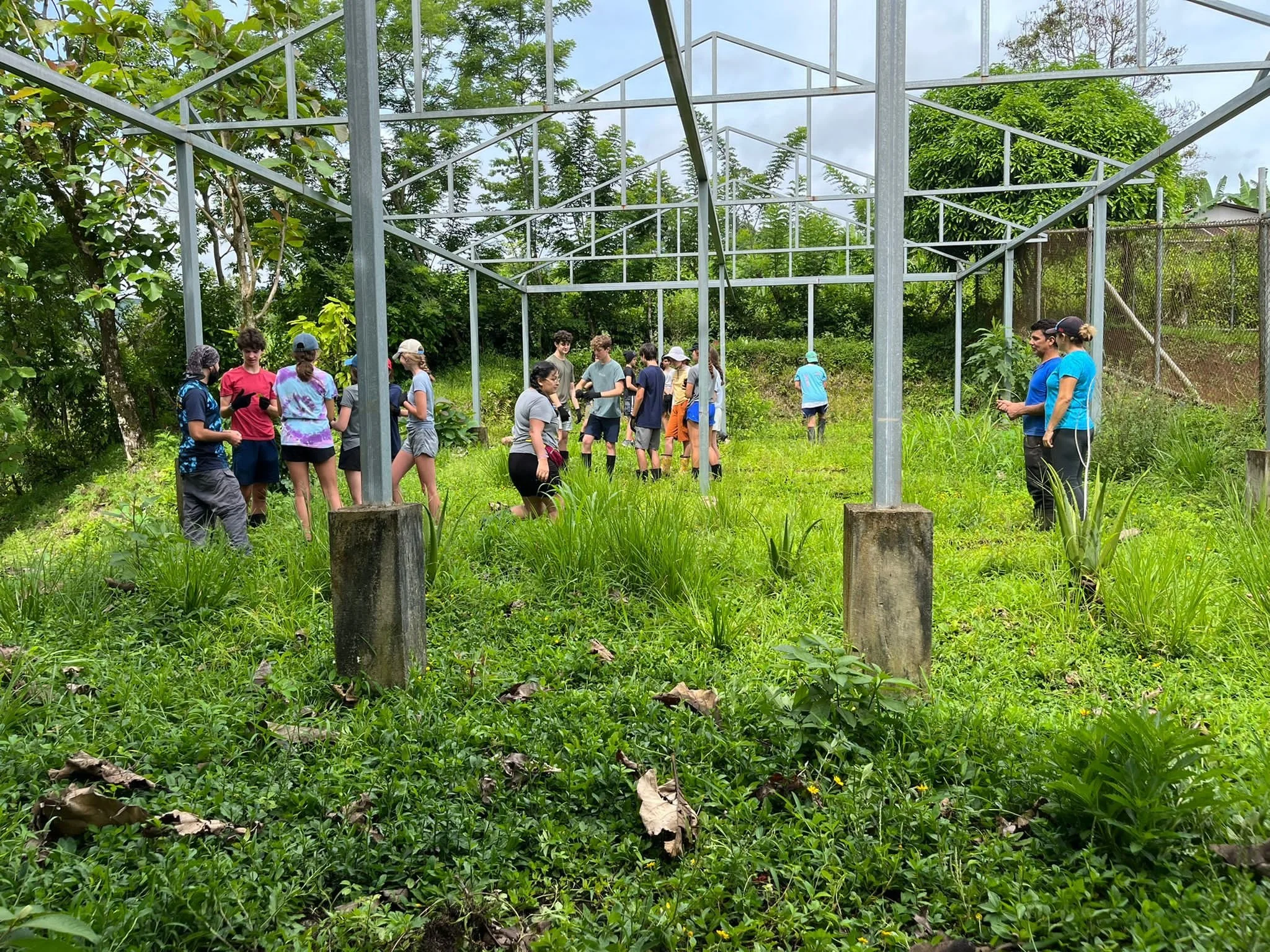
Experiencing the magic of touching a dormilona in Costa Rica, 2022.
As an Occupational Therapist working in schools for more than six years, I've witnessed firsthand how critical sensory experiences are to child development. Children learn through movement, exploration, touch, smell, taste, and play. Yet many of today's environments offer fewer opportunities for these experiences. More learning occurs through screens. More food arrives prepackaged. More time is spent indoors.
At the same time, educators and healthcare professionals are seeing increasing challenges related to attention, emotional regulation, physical activity, and overall well-being.
While there are many factors contributing to these trends, I believe one piece of the solution lies in helping children reconnect with the living world around them.
That belief became Dig In Collective.
Dig In Collective was built on a simple idea: children should experience food before it reaches their plate.
Through garden-based education, students literally dig into the dirt, plant seeds, care for crops, harvest produce, and ultimately enjoy the food they helped grow. Along the way, they develop practical knowledge about nutrition, food systems, and environmental stewardship while engaging all of their senses in meaningful, hands-on learning.
When children become active participants in the process, something powerful happens.
Curiosity grows.
Confidence grows.
Connection grows.
Students begin to understand where food comes from, how it fuels their bodies, and how their actions impact the world around them. They experience the satisfaction of nurturing something from seed to plate and the pride that comes from sharing it with others.
The benefits extend far beyond the garden. Digging, planting, harvesting, preparing, and tasting support sensory integration, critical thinking, problem-solving, collaboration, and emotional regulation. Fresh, whole foods help nourish growing bodies and minds. Shared meals foster belonging and community.
Most importantly, children begin to build a lifelong relationship with nature—not through a screen, a worksheet, or a slideshow, but through direct experience.
At Dig In Collective, we believe the world is meant to be explored with all five senses. Children should know what healthy soil feels like between their fingers. They should smell fresh herbs growing in a garden, hear pollinators buzzing among flowers, watch a seed become food, and taste something they nurtured with their own hands.
Because our goal isn't simply to help children eat.
It's to help them understand what it means to be nourished.